By Steve Savory
October 23, 2026
Embarking on a major renovation requires thorough preparation, clear expectations, and the right building partner. Whether updating a kitchen, creating an expansive bathroom suite, or building a home addition, homeowners must evaluate their options with care. The success of any structural transformation hinges on the expertise and dedication of the team working inside your living space. Selecting a reputable home remodeling contractor gives you access to essential guidance throughout every phase of construction, preventing missteps before work begins. Asking purposeful questions early in the planning process provides clarity regarding expectations, capabilities, and daily operations.
A major renovation touches every facet of daily life, making open communication and proven competence indispensable. Property transformations involve complex logistics, from coordinating specialized trades to maintaining an orderly work site. Without structured vetting, homeowners risk facing unnecessary friction, preventable delays, and compromised structural integrity. Taking time to conduct thorough interviews ensures that your chosen builder possesses the field knowledge and organizational discipline to manage your renovation. Exploring the following six areas will help you make a sound choice and protect your home investment.
1. Review Experience and Portfolio
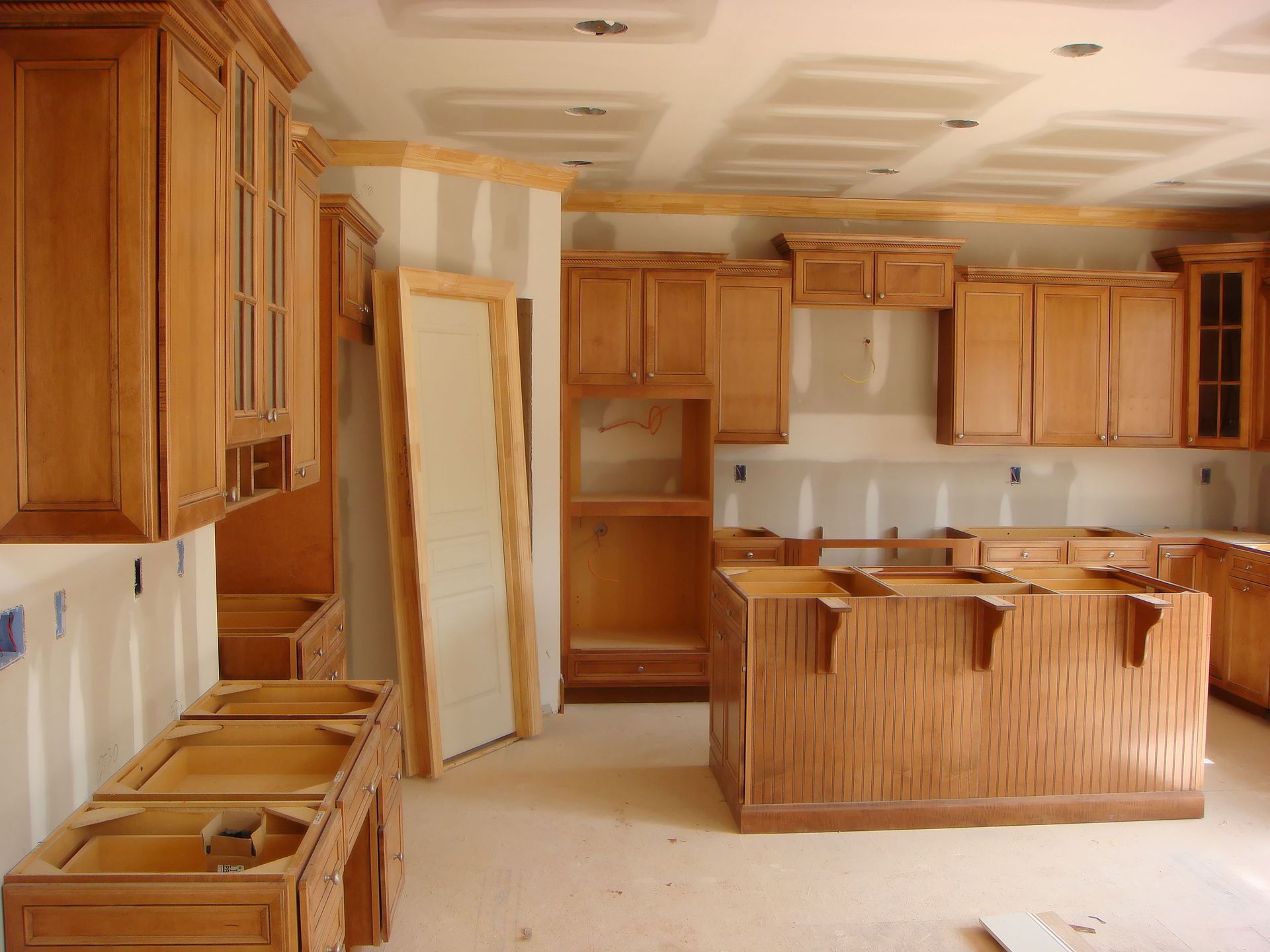
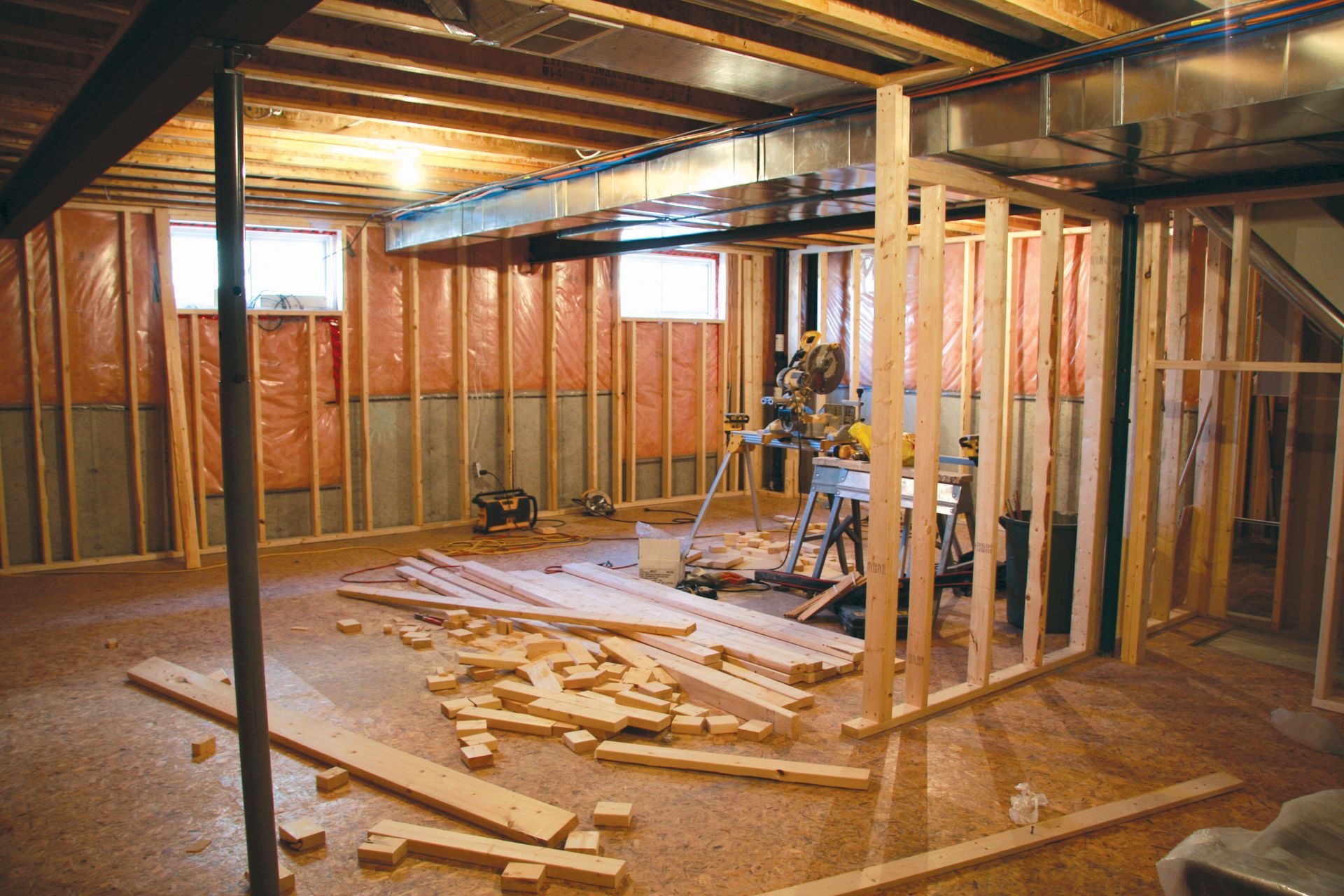
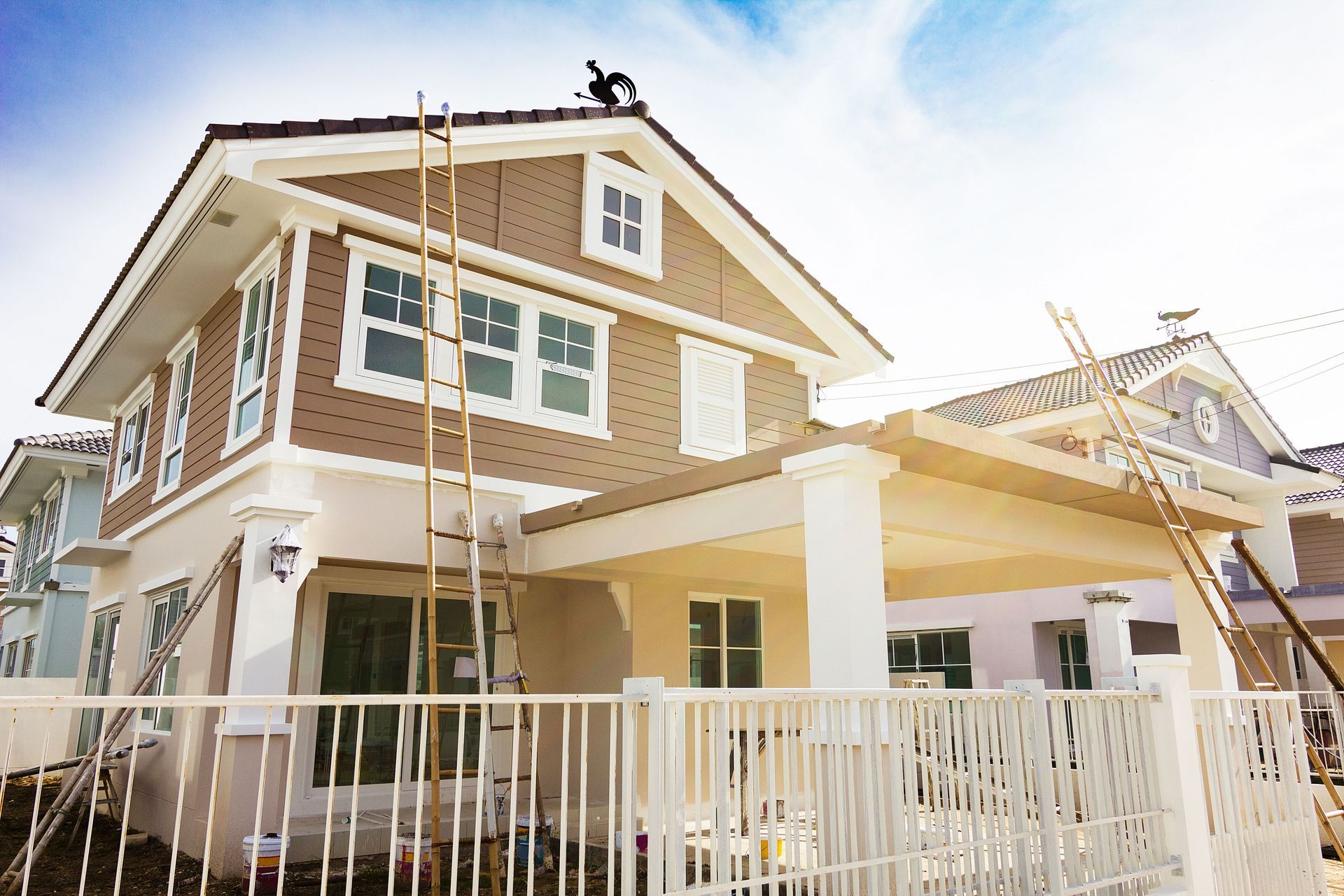
A contractor's background provides direct insight into how your project will be handled from start to finish. When consulting with a prospective home remodeling contractor, take time to examine previous work across diverse areas such as kitchen remodeling, bathroom renovations, basement finishes, and custom deck construction. A seasoned team brings practical knowledge, enabling them to navigate unexpected structural conditions behind finished walls without delay. According to RubyHome, 91% of property owners turn to qualified specialists to manage major renovation projects, highlighting the widespread need for proven construction proficiency.
Reviewing visual galleries and photographic portfolios of completed builds allows you to evaluate craftsmanship and attention to detail. Look specifically for projects that match the architectural scope of your planned improvements, whether that involves complex framing, custom cabinetry installation, or exterior siding replacement. Ask the builder how they approach structural challenges and whether they maintain direct design-build capabilities to coordinate drafting and execution under one roof. Reviewing tangible results provides assurance that your selected team can translate design concepts into durable physical structures.
2. Verify Licensing and Insurance
Operating as a legitimate general contractor demands full compliance with state and municipal regulatory standards. Before signing any documentation, ask to see formal verification of current business licenses and proper municipal credentials. A qualified home remodeling contractor maintains all mandatory registrations, confirming a solid understanding of local building codes and regional safety protocols. Proper licensing also ensures that your builder can pull official municipal permits, schedule required inspections, and keep your property compliant with local governing bodies.
Insurance coverage is equally vital to protect your household from unforeseen liabilities and jobsite incidents. Verify that the general contracting company carries comprehensive general liability insurance alongside worker's compensation coverage. General liability protects your physical structure from accidental damage during major demolition, structural framing, or roof installation. Worker's compensation ensures that on-site tradespeople receive proper medical coverage if an injury occurs on your property, shielding you from personal legal exposure. Requesting physical proof of active insurance certificates delivers necessary peace of mind throughout construction.
3. Evaluate Schedules and Milestones
A successful home renovation depends on a realistic, structured construction schedule with clear operational milestones. During initial discussions, ask how the project schedule will be structured and what major checkpoints mark each phase of progress. An experienced home remodeling contractor maps out distinct stages for site preparation, framing, mechanical work, and final finish installations. Understanding these sequential milestones helps you anticipate daily jobsite activity, schedule household routines, and track steady progress from demolition to completion.
Unforeseen complications can arise during structural remodeling, making timeline management and contingency planning essential. Inquire about how the team handles material lead times, adverse weather disruptions during exterior renovations, and municipal inspection delays. A professional builder establishes realistic buffers within the production schedule, preventing minor delays from creating weeks of downtime. Clear agreements regarding schedule oversight and daily attendance keep your project moving forward without prolonged disruptions to your living environment.
4. Inspect Materials and Warranties
The longevity of any renovation relies on the caliber of building products and structural components utilized. When interviewing a home remodeling contractor, inquire about their supplier relationships and the standards they enforce for exterior and interior materials. Quality contractors source resilient siding, durable roofing, pressure-treated framing lumber, and premium finish fixtures engineered to endure long-term use. Discussing material selections prior to construction ensures that every component installed within your residence aligns with high standards for structural endurance.
Warranties provide crucial protection for your property long after the final tool has been packed away. Ask your builder to explain the specific manufacturer warranties accompanying materials such as architectural shingles, composite decking, and replacement windows. Equally important is the contractor's own labor warranty, which guarantees the installation quality and craftsmanship of the finished work. Confirming that your contractor follows manufacturer specifications protects these product guarantees, ensuring that your investment remains secure against premature defects.
5. Establish Communication and Protocols
Clear, consistent communication is the cornerstone of a collaborative and orderly construction experience. Ask your prospective home remodeling contractor who will serve as your dedicated primary point of contact throughout daily operations. Knowing whether you will communicate directly with a lead project manager or the general contractor clarifies how questions, site visits, and daily updates will be handled. Establishing preferred channels, whether through phone calls, text messages, or on-site walkthroughs, keeps everyone aligned from start to finish.
Remodeling projects frequently require adaptations when hidden plumbing, wiring, or structural framing issues are discovered behind existing walls. Inquire about the formal change order procedure used to document and approve any modifications to the initial project scope. A structured change management process ensures that any scope adjustment is fully explained and authorized in writing before adjustments are implemented. Transparent protocols minimize misunderstandings, resolve site challenges smoothly, and maintain an atmosphere of professional cooperation between homeowners and builders.
6. Finalize Agreements and Contracts
A comprehensive written agreement serves as the foundational safeguard for both the property owner and the building professional. When preparing to engage a home remodeling contractor, ask to review a sample contract to evaluate its thoroughness and clarity. A well-drafted construction contract outlines the precise scope of work, architectural specifications, project phases, and designated responsibilities. Reviewing these terms ensures that both parties share identical expectations regarding site protection, cleanup routines, and warranty protections.
Verbal promises and casual agreements have no place in major residential construction and remodeling projects. Ensure that all structural adjustments, material specifications, finish selections, and scheduling commitments are permanently recorded within the paperwork. Retaining a complete written record safeguards your home against omissions and provides a reliable baseline if questions arise during construction. A thorough, clear contract reflects true professionalism and lays the groundwork for a successful and seamless renovation journey.
Selecting the right partner for your residential renovation requires careful evaluation, diligent questioning, and attention to detail. By exploring experience, credentials, scheduling practices, material quality, communication methods, and contractual clarity, you safeguard your home and personal comfort. A qualified home remodeling contractor brings organized leadership, skilled craftsmanship, and technical competence to every phase of your project. Taking these proactive steps empowers you to proceed with confidence, knowing that your living space is in capable hands.
Transforming your living space through kitchen renovations, bathroom updates, basement conversions, or exterior improvements should be an exciting and rewarding journey. With thorough preparation and direct communication, your renovation will enhance daily comfort and preserve long-term property durability. Contact our dedicated team at Leader Construction Company LLC today to schedule your consultation, and let us bring your remodeling vision to life.